

A freezer floor is one of the few surfaces where the installation conditions are harder than the service conditions. Once the coating is down and the space is back to temperature, it leads a quiet life. Getting it down is the project. Most resin systems will not cure at freezer temperatures. The...
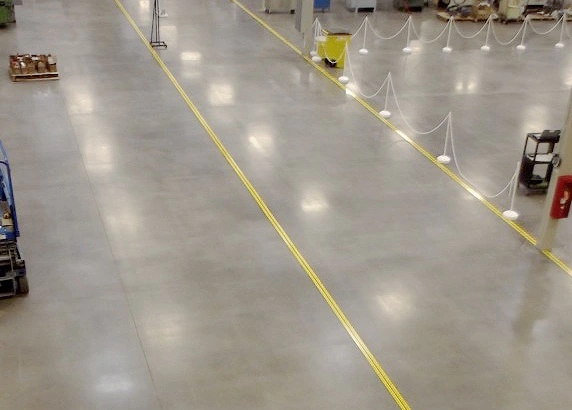
The loading dock is where the hardest loading in a building happens, in the smallest area, over the most vulnerable edge. Every pallet in and out of the facility crosses the same few feet of concrete, on hard wheels, over a joint that was engineered to be there. It is also the area most often left...
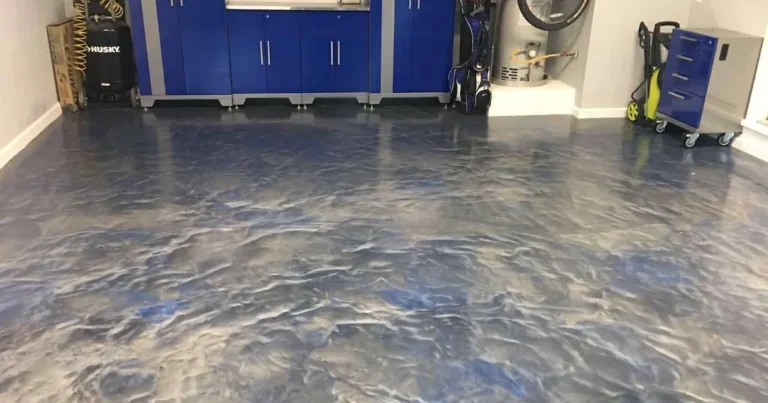
A garage floor that looked fine in October and is pitting in April did not fail because of the cold. It failed because of what the vehicle carried in. Road salt and deicing chemicals arrive in the wheel wells and undercarriage of every vehicle parked in a northern garage all winter, melt onto the...
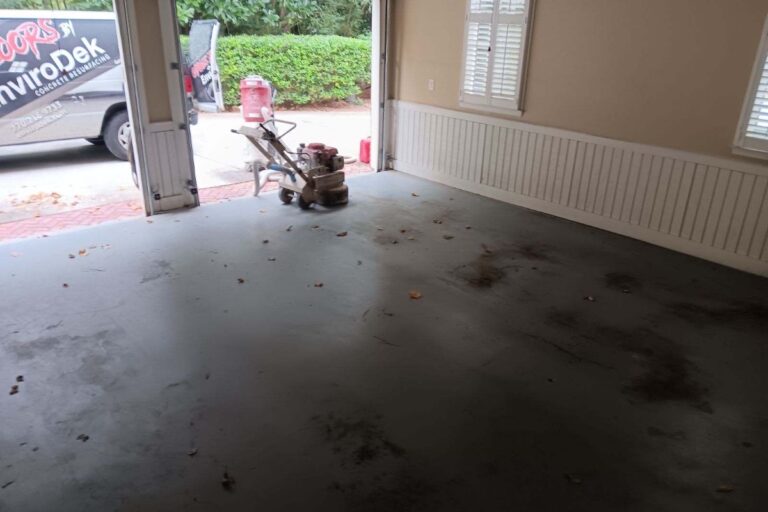
The lines cut into a concrete slab are not damage and they are not decoration. They are the places the slab is meant to move, and they are the most common reason a newly resurfaced or coated floor cracks within its first year. The mistake is consistent across residential and commercial work. Joints...
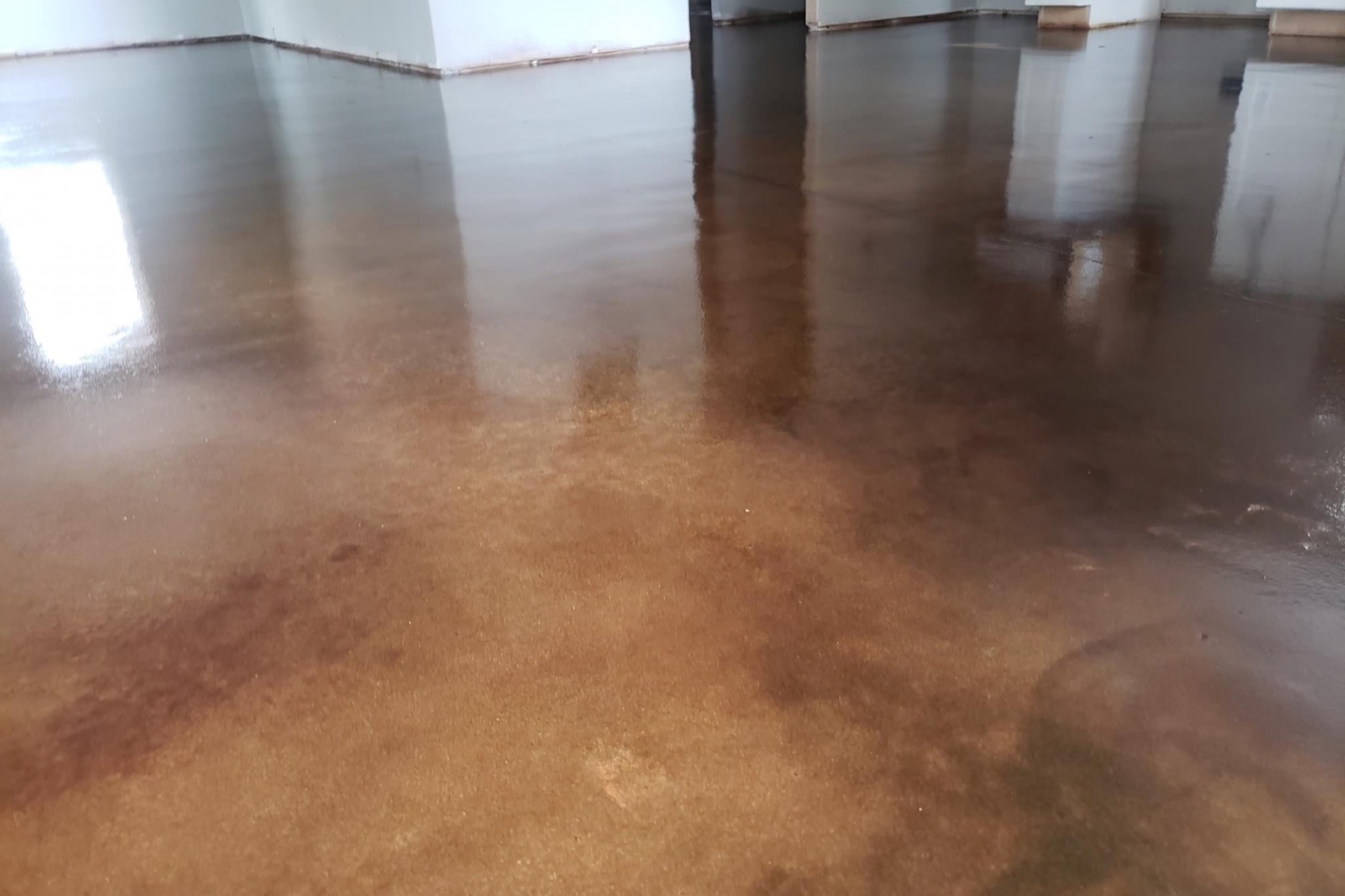
Post-tensioned slabs are common in parking structures, elevated decks, commercial buildings and a great many homes built in recent decades. For a floor coating or a slab repair, post-tensioning changes a few specific things and leaves most of the process untouched. Knowing which is which prevents both unnecessary worry and one genuinely serious mistake. What […]
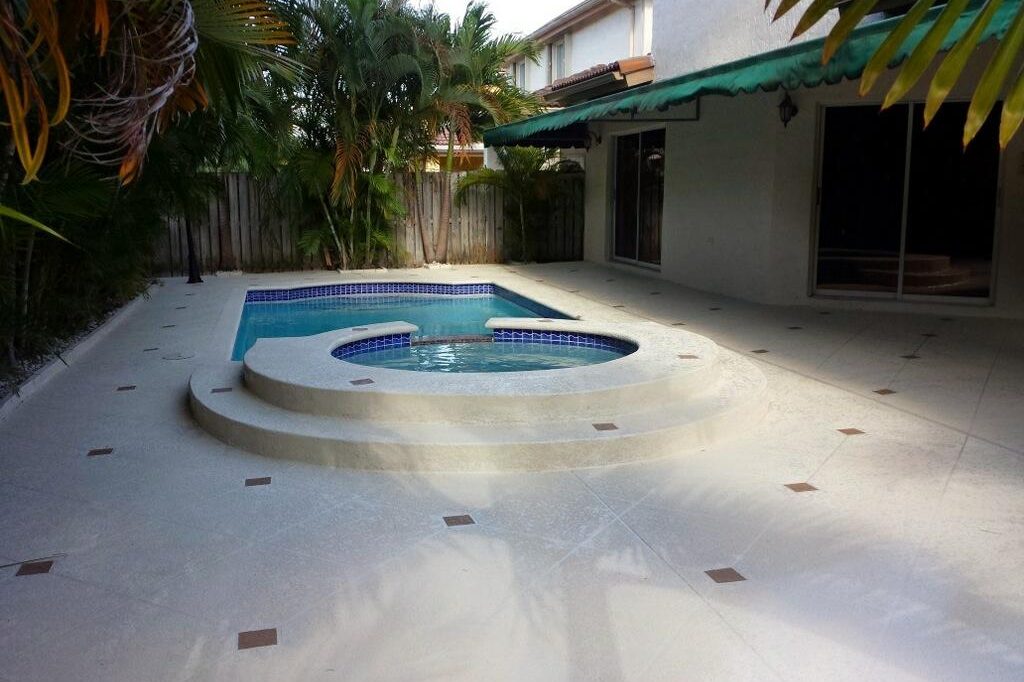
Steps are the most demanding concrete on most properties and the surface most often left out of a resurfacing project. They take concentrated traffic on a small area, they show damage first, and they are the only place where a flooring failure is a safety matter rather than a cosmetic one. They are also where […]
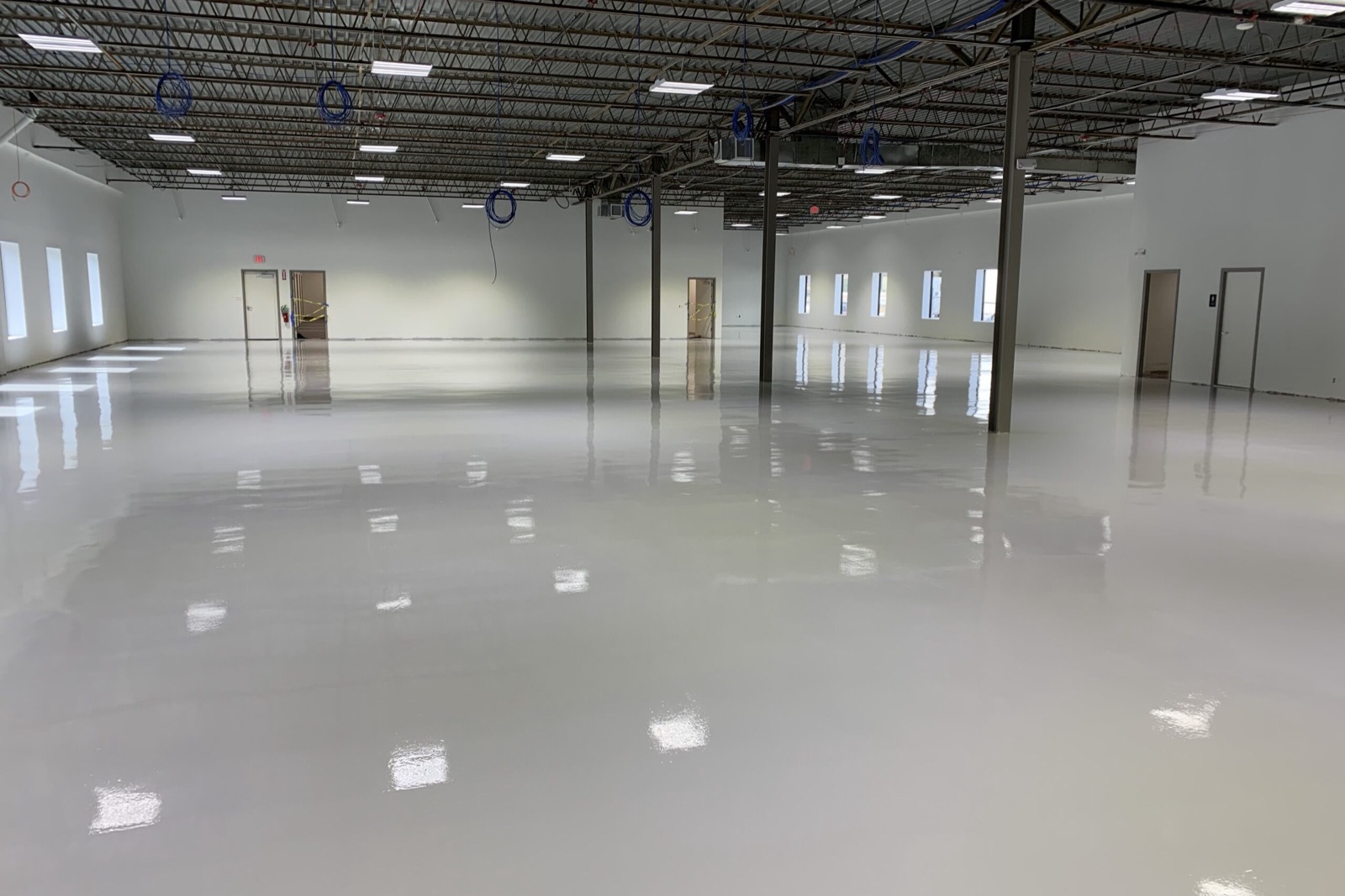
Electrostatic discharge damage is invisible, intermittent and expensive. A component that took a static hit on an assembly floor may work on the bench, fail in the field, and never be traced back to the floor it was walked across. That is why electronics manufacturing, certain cleanroom and medical environments, and facilities handling flammable atmospheres […]
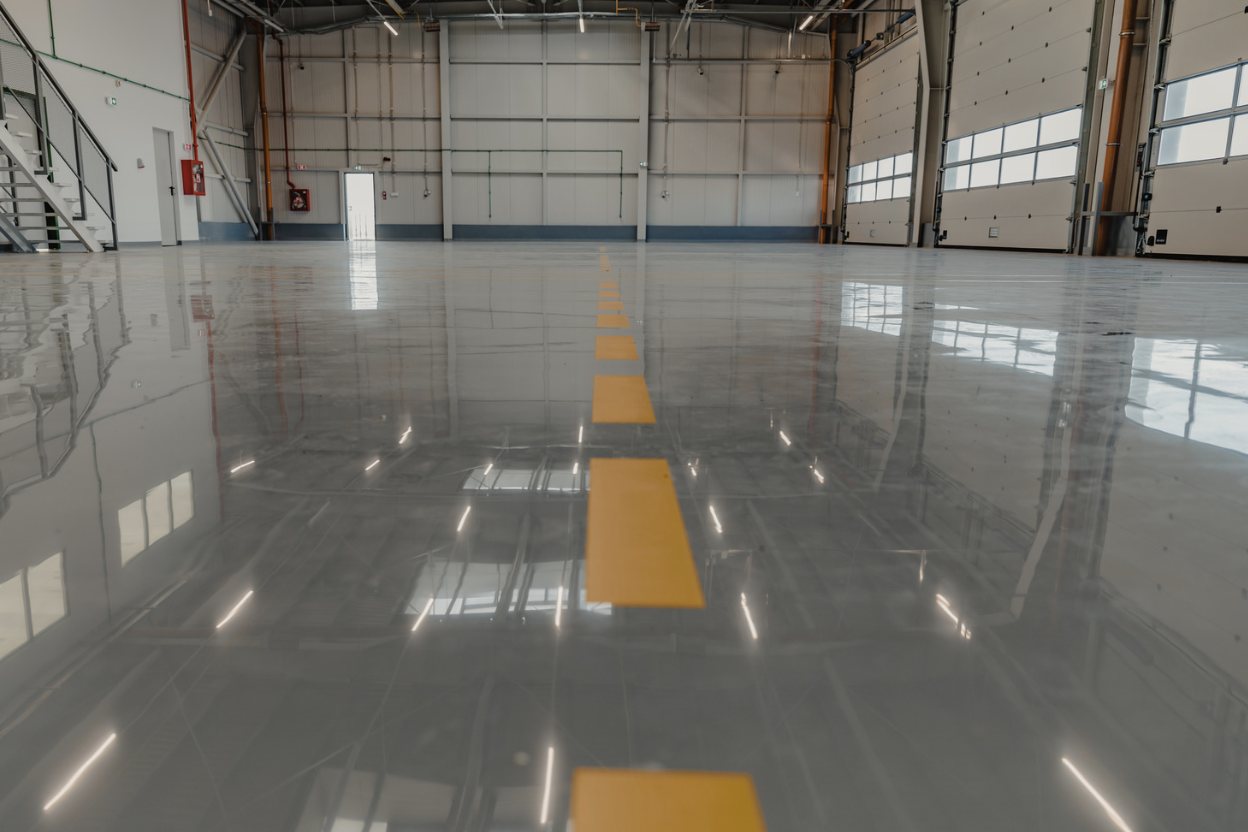
A secondary containment area is not a floor with a coating on it. It is a lining, built to hold a volume of liquid for a period of time if the primary container fails, and judged by whether it would actually do that. Treating it as a floor coating project is the most common way […]
On any floor that gets washed down, the drain is where failure begins. Not in the middle of the room, not under the traffic, but at the place where the coating stops and something else starts. It is also the detail most often missing from a quote. A specification that names a system, a thickness […]
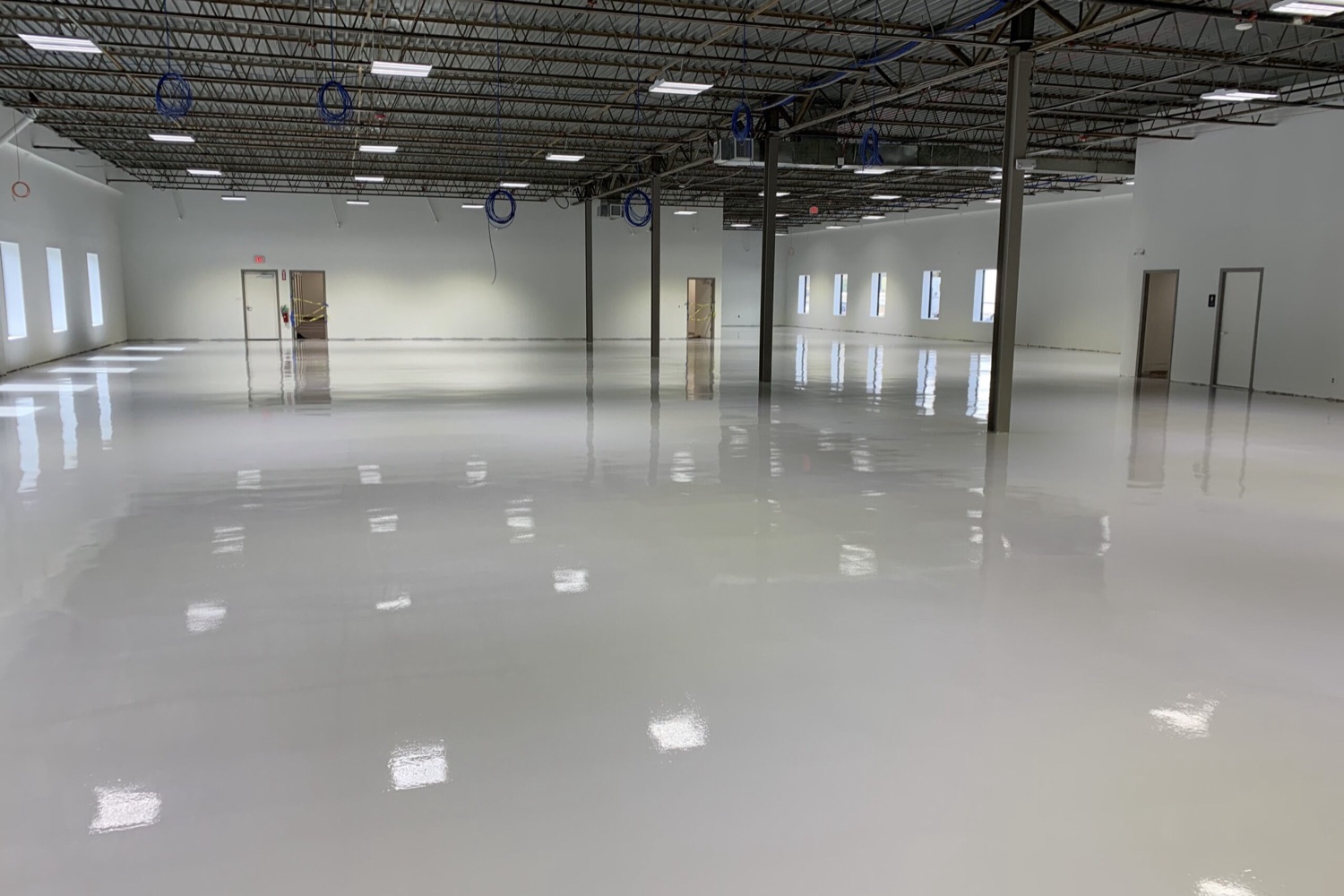
A commercial kitchen and a food processing plant look like the same flooring problem and they are not. A kitchen floor is a wet floor with grease on it. A processing floor is a wet floor that gets steam cleaned, caustic washed, thermally shocked and driven on, several times a day, every day. Epoxy is […]